Category: Uncategorized
YWCA CENTRAL MASSACHUSETTS ELECTS NEW BOARD PRESIDENT
YWCA CENTRAL MASSACHUSETTS ELECTS NEW BOARD PRESIDENT
Worcester, MA, June 2026 – YWCA Central Massachusetts is pleased to announce the election of Elizabeth Thompson (Holden, MA) to a one-year term as President of the agency’s Board of Directors. Thompson is the Assistant Vice President of Professional & Executive Lines Delegated Distribution at The Hanover Insurance Group. She has served on the YWCA Board as a member and officer since 2018. Thompson will lead the 17-member board, which sets strategic direction and policy to guide the YWCA’s work in eliminating racism and empowering women.
Thompson has been with The Hanover Insurance Group since 2011, advancing to her current position as Assistant Vice President earlier this year. She brings a strong background in technology and operations, along with a proven ability to drive results and foster collaboration. Thompson holds a degree in Economics from Mount Holyoke College and has been recognized for her leadership in the community as a member of the Worcester Business Journal’s 2017 “40 Under Forty” class and a graduate of the 2016 Leadership Worcester program.
Beyond her professional accomplishments, Thompson is an active and engaged member of the Worcester County community. She is passionate about supporting initiatives that strengthen and empower local communities and remains dedicated to the mission of the YWCA.
“As we look to the next 12 months, it is critical that we remain connected, engaged, and united as a board. I am committed to ensuring that we stay nimble and focused in our role: supporting the extraordinary staff who carry this mission forward every single day. They are the ones delivering programs, creating safe spaces, and standing alongside those who need it most. Our responsibility is to ensure they have the resources, guidance, and partnership to succeed.
I also commit to strengthening how we show up for one another. The stronger our relationships are as a board, the more effective we will be in governance, leadership, and advancing our shared mission. Because the work of eliminating racism and empowering women is not abstract, it is deeply human, and it requires all of us to be present, aligned, and engaged.
These are not easy times. But we are here because we believe in something better. We believe in a future where equity is not aspirational, but real and we know the YWCA is helping to build that future every day. I look forward to what we will accomplish together.”
Others elected as officers of the YWCA’s board of directors are President-elect: Jennifer Bradford, M.D. (Worcester, MA), City of Worcester Medical Director and Assistant Professor of Family Medicine and Community Health at the University of Massachusetts Medical School; Treasurer: Shantie Prashad (Worcester, MA), AVP Retail Banking Officer, Country Bank; and Clerk: Katie Stickney (Worcester, MA), Project Manager for Community and Government Relations, UMass Chan Medical School.
The YWCA Central Massachusetts also announced its newly elected board member: Felicia Riffelmacher (Rutland, MA), Executive Director of Development and Alumni Relations, Worcester State University. Re-elected to serve a three-year term were: Doreen Samuels (Worcester, MA), Van Aide, Vanpool Transportation Company; Jennifer Bradford, M.D of Worcester, City of Worcester Medical Director and Assistant Professor of Family Medicine and Community Health at the University of Massachusetts Medical School; Shantie Prashad of Worcester, AVP Retail Banking Officer, Country Bank.
“This year offered many opportunities to connect with our community, strengthen partnerships, and further our mission. Despite uncertainty in national and local funding, what stands out are the moments of hope, joy, resilience, and determination,” said Deborah Hall, CEO of YWCA Central Massachusetts. “As a women-led organization guided by a dedicated and accomplished all-women board, whose leadership has steered strategic growth, ensured mission alignment, and fostered innovation, we bring diverse perspectives, lived experiences, and a shared commitment to advancing equity and opportunity in our community. I look forward to working with our board as we continue to eliminate racism, empower women, and address the evolving needs of those we serve.”
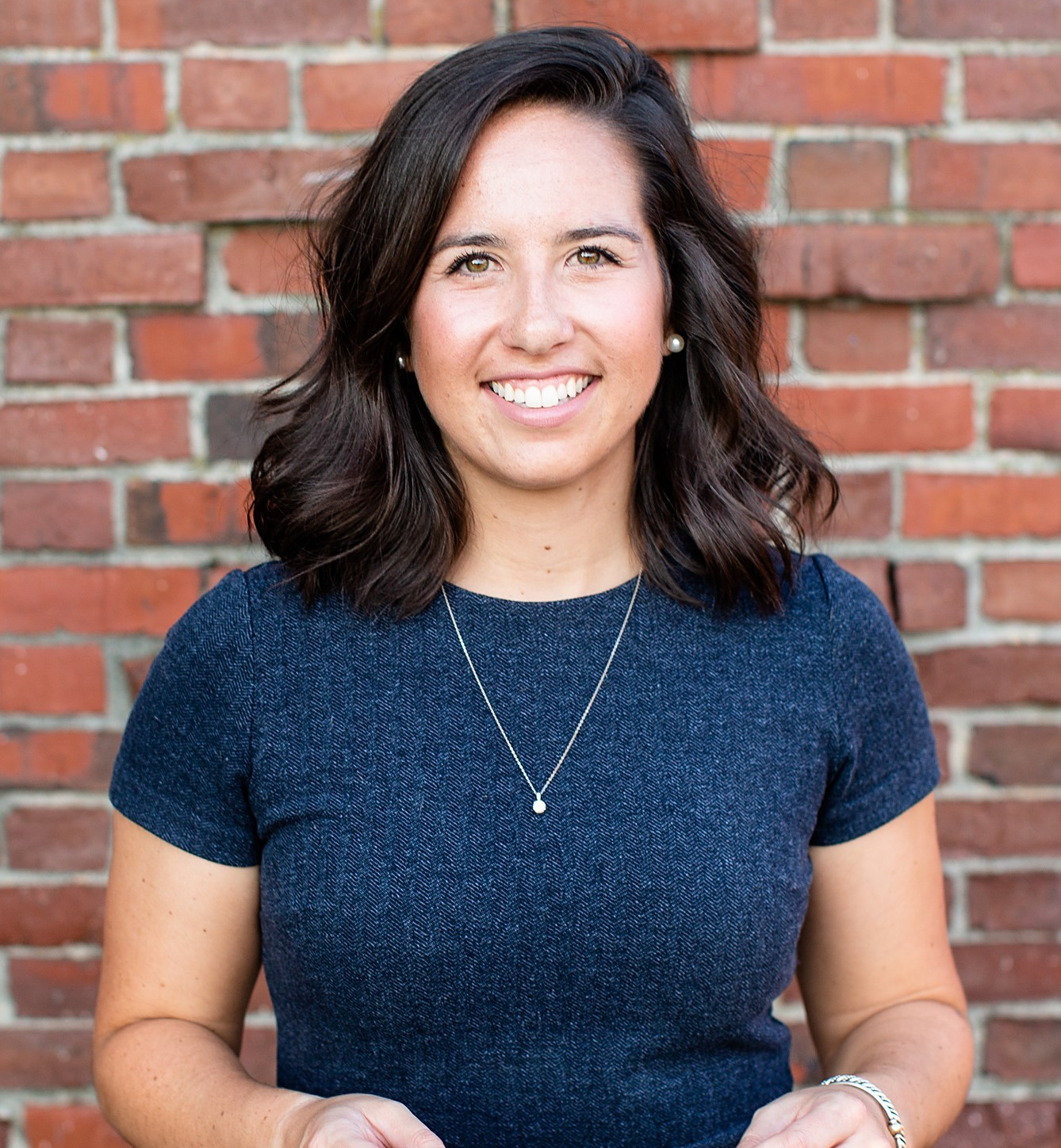
No Single-Issue Struggles: Pride, Juneteenth, and the Fight for Collective Liberation
Black lesbian feminist poet Audre Lorde once wrote, “There is no such thing as a single-issue struggle because we do not live single-issue lives.” Those words continue to speak deeply to me and to my multiple identities as a Black lesbian feminist.
As I reflect on Pride Month and on the many victories won through the work of LGBTQIA+ comrades and organizers, I am also struck by the reality that many movements are still led by white men, often from privileged backgrounds. Too often, the voices and experiences of LGBTQIA+ people of color are sidelined, even in spaces that claim liberation and inclusion.
I think about how often I have been frustrated by the lack of true intersectional analysis in the many spaces I have occupied, always forced to negotiate which part of myself or which struggle will be given primacy. Repeatedly, I have been called upon to support single issue movements, yet rarely heard when speaking about the necessity of a genuine intersectional framework that recognizes race, gender, sexuality, and class as inseparable.
There is often a lack of intentionality in creating space for LGBTQIA+ people of color when passing the mic and sharing opportunities. I remember someone once saying they did not know any LGBTQIA+ people of color, only to then acknowledge, “Well, I know you.” That moment has stayed with me because it reflects a larger truth: the inability to fully see people of color as integral parts of the LGBTQIA+ community. The aforementioned remains deeply embedded in how representation and belonging are understood.
What Kimberlé Crenshaw meant when she coined the term “intersectionality” was the recognition that systems of oppression overlap and shape one another, particularly for those living at the intersections of race, gender, sexuality, class, and other identities. Too often, the term has been appropriated or diluted, even within marginalized communities, to refer to only a single identity or isolated experience, rather than acknowledging the layered and interconnected realities people navigate every day.
At times, ageism also plays a role in who is included, heard, and valued. Learning from elders remains deeply important, and intergenerational connection is essential to sustaining community, knowledge, and growth.
As we reflect during this Pride Month, I hope we challenge ourselves to do better. I hope we create spaces where intersectionality is not treated as an afterthought, but as essential to justice itself. I hope we honor the labor, leadership, and lived experiences of Black and Brown LGBTQIA+ people not only during Pride, but every day. And I hope we build movements where all of us can be seen, heard, and valued.
This June, I will be celebrating both Pride and Juneteenth, separately and together, because both remind us that liberation is collective, interconnected, and unfinished.
Deborah Hall
CEO, YWCA Central Massachusetts
My YW Story- Amane
My YW Story- Amane
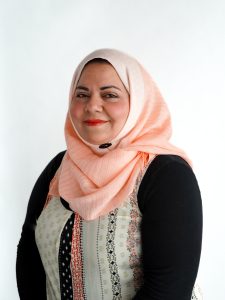
For board member and longtime supporter Amane AbdelJaber, supporting the YWCA has always been deeply personal. “The YWCA is dedicated to helping underrepresented groups in our community by uplifting them,” she says, a mission that closely reflects her own life’s work.
Having lived in Worcester County for most of her life, Amane has witnessed the impacts of war, oppression, and poverty firsthand. Those experiences shaped her commitment to public service and community advocacy. Over the years, she has worked with several nonprofit organizations, spent 20 years with the Attorney General’s Office, and managed a statewide program focused on restoring vacant housing across the Commonwealth. For more than six years, she also helped guide the YWCA as a member of its Board of Directors.
For Amane, giving back has never been about short-term involvement. It is about building something meaningful that continues to support others long after you move on. “Giving back is a long-term commitment,” she explains. Whether through creating uplifting programs, advocating for families, or helping establish safe spaces where people feel seen and supported, Amane believes lasting change happens through sustained care and connection.
That belief was reinforced during one of the most difficult moments in recent history: the COVID-19 pandemic. While many organizations and businesses were forced to close their doors, the YWCA recognized that families still needed support, especially access to affordable, reliable childcare. “The YWCA opened its doors in these tough times,” Amane recalls. At a time when so much of the world felt uncertain, she witnessed the organization step forward to meet the community’s needs with compassion and determination.
For Amane, that moment captured the heart of the YWCA’s mission: dedicated staff and leaders working tirelessly to help individuals and families navigate challenges while creating opportunities to thrive.
Amane’s story is a reminder that lasting impact is built through consistent support, compassion, and community. Her dedication continues to inspire others to invest in the people and programs that strengthen Worcester for generations to come. https://ywcacm.org/donate/
YWCA Statement on the Attack on Voting Rights Act
Statement on the Racist Bullying Targeting South High Girl’s Basketball Team
YWCA Central Massachusetts Statement on Death of Renee Nicole Good
Program Spotlight: Transitional Housing Program
A safe, stable place to call home is essential for building a strong future. At YWCA Central Massachusetts, our Transitional Housing Program provides short-term, affordable housing for women who need a secure place to live as they work toward stability and independence.
Whether you are at risk of losing your housing or currently without a place to stay due to rising rent, paycheck to paycheck, an abusive relationship, recovery from addiction, an unexpected crisis, or other challenges, the YWCA is here to support you. Our goal is simple: fewer women experiencing homelessness and more women taking meaningful steps toward a brighter, more stable future.
 The Transitional Housing Program offers private, single-room units for up to two years, with fees based on income. Residents have access to shared community spaces, including a kitchen and living area, while also maintaining the privacy of their own furnished room. This balance fosters both independence and a sense of community, creating opportunities to build connections and support networks along the way.
Taking this step can feel overwhelming, but you are not alone. As YWCA Director of Housing and Shelter Dialougu Sissoko shares, “Housing is a human right.” The program follows a “housing first” philosophy, welcoming women without judgment of their past or current circumstances. Whether you are a student, in recovery, or working to save your own apartment, this program can be a vital part of your journey toward self-sufficiency.
Participants are encouraged to take full advantage of the resources available. The YWCA provides comprehensive case management support, including assistance with education, mental health, financial stability, and more empowering each woman to take meaningful steps toward long-term success.
Like many participants, Megan discovered that the program’s impact is closely tied to the effort you invest. As one staff member shared, participants “get as much as they put in.” Residents have access to a wide range of services. These include case management support in education, mental health, and financial stability. The program gives residents the tools, but they must take the initiative. Megan embraced these opportunities fully. She gained valuable skills in “budgeting and savings,” she said. She also secured a Section 8 voucher, which helped her transition into stable housing after the program.
For Megan and many of our residents, the program was not just a place to stay, it was the foundation upon which she built a life.
Donate to support our participants!
To submit an application click the following link: YWCA Transitional Housing Program Application
For further questions about the program email: swilson@ywcacm.org
My YW Story – Jennifer Bradford
My YW Story – Jennifer Bradford
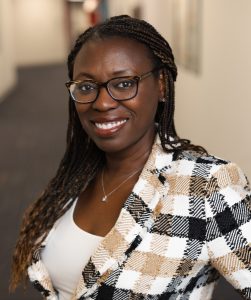 For long-time YWCA supporter Dr. Jen Bradford, giving back is her entire world. As a family medicine physician who has served the Worcester community for 15 years, she has been committed to caring for individuals and families at all stages of life. Dr. Bradford believes that community health “extends beyond the exam room.” The well-being of people starts by addressing broader social and structural issues. In addition to her clinical work, Dr. Bradford is a board member of the YWCA, furthering her efforts in promoting equity, empowerment, and healthier communities.
The YWCA’s mission of eliminating racism and empowering women creates a pathway for individuals to reach their full potential and have a sense of belonging. This is why Dr. Bradford dedicates her time and support to YWCA programs. It serves women, children, and families so they can continue or begin their journey to success. With her help, stronger, healthier, and more equitable communities can arise.
Of all the programs available at the YWCA, the one that has resonated most deeply with Dr. Bradford is the Transitional Housing Program. This program offers women from diverse circumstances safe, affordable housing. It gives women a foundation so that they can focus on other concerns, such as their health, employment, and overall well-being. The reason this program resonates with Dr. Bradford is that she has seen firsthand “how deeply housing instability affects both physical and mental health.” Having a place to call home gives individuals a boost towards success, which is why support for such programs is crucial.
“Offering time, presence, understanding, and care” when people need it the most is what true generosity is all about. Dr. Bradford gives her generosity through supporting YWCA programs that help uplift women and empower communities, leaving a meaningful and lasting difference in their lives. She urges people to support the YWCA as she does:
“For the YWCA to continue advancing this important work and driving lasting societal change, it needs strong and sustained community support. Ongoing financial contributions and volunteer engagement are important to ensure that its programs remain impactful. Through collective investment and action, we can help build a more just and equitable world.”
Jen’s story shows how generosity can be impactful to communities. Join her in supporting YWCA’s mission in eliminating racism and empowering women by showing your support for our programs!
Donate Today and share your YW stories with us! Email info@ywcacm.org.
My Y Story- Jen Safford
For Jennifer Safford, the YWCA is more than just an organization. It is a place that has shaped her family, her career, and her community for over 25 years.
Jennifer has lived in Worcester all her life and has built her career in education and youth development. She now works at Clark University. She is a proud parent of three young adults and serves on the YWCA Board of Directors. Her connection to the YWCA started years ago when her nephew joined the early education programs, and it has only grown since then.
Jennifer’s connection to the YWCA has grown in many ways over the years. She has joined the Racial Justice Task Force, taken part in fitness programs, and experienced the YWCA as a parent when her oldest son went to daycare and her daughter attended preschool. Through every stage of her life, the YWCA has been a steady presence and has always felt like home.
These experiences have given Jennifer a strong connection to the YWCA’s childcare programs. She knows firsthand how high-quality early education can help families. She is also proud to support the YWCA’s Domestic Violence programs and its mission to eliminate racism. She believes this work is essential for building stronger, safer, and more just communities.
To Jennifer, generosity means more than just giving money. It is about helping in any way you can, whether through your time, attention, advocacy, or caring for others. Every way of giving matters, and every contribution helps strengthen the YWCA’s work.
Jennifer’s message to anyone thinking about supporting the YWCA is simple: thank you. It takes a community working together to provide the programs, services, safe spaces, and sense of home that the YWCA gives to people across Central Massachusetts. Supporting the YWCA means investing in families, empowering women, and helping to create a future where everyone can thrive.
Jennifer’s story shows what the YWCA stands for: a place where families grow, communities become stronger, and lasting change begins.
Donate Today and share your story with us!
My Y Story – Shelley Rodman
My Y Story – Shelley Rodman
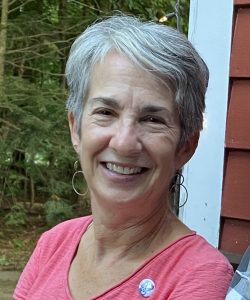 For longtime YWCA supporter Shelley Rodman, “giving back” is more than just a phrase. It’s a way of life shaped by her values and a strong belief in strengthening communities from within. Originally from Ohio, Shelley built her life and career in nonprofit management before settling in Worcester with her husband, Todd. Over the years, she has learned firsthand that strong communities rely on both public policy and the generosity of others. This is why she gives not only through civic participation but also through personal philanthropy, especially to organizations whose missions reflect her own principles. The YWCA is definitely one of them.
Shelley’s introduction to the YWCA came early. Her mother worked for the YWCA of Greater Cleveland, giving her a front-row seat to the breadth and depth of the organization’s work. It planted a seed, a quiet awareness that the YWCA touches lives in more ways than most people realize.
Years later, after moving to Worcester and volunteering with the United Way of Central Massachusetts, Shelley met former Executive Director of the YWCA Central Massachusetts, Linda Cavaioli. That relationship eventually led to an invitation to join the Board of Directors, a turning point that allowed her to see the organization up close. When she joined the board, Shelley was encouraged to serve on committees traditionally dominated by men, like the finance and investment committees. For Shelley, that moment reflected what the YWCA stood for, and she thought, “I’m so happy to say that I always know the YWCA will prepare women for life in every way.”
Of all the programs the organization offers, few stand out to her on a personal level. The first is the YWCA’s transitional housing program, which provides crucial support for women and families facing homelessness or instability. As Shelley describes it, “such an unknown part of what the YWCA offers, so important and so rare.” The second is childcare and early childhood education. She noted, “When I was balancing work and motherhood, I wondered why it had to be so hard. I hoped that it would be different when my daughter was an adult. But it isn’t. Childcare benefits all of us. And kids who have been in childcare are usually much readier for Kindergarten.” Lastly, she deeply values the YWCA’s broad work in domestic violence education, prevention, and intervention. She emphasizes the importance of increasing community awareness while simultaneously supporting survivors through protective shelters and services. For her, this work safeguards not just individuals but the health of the entire community.
“My long-time involvement with the YWCA has deepened my trust in the organization and my commitment to the mission. This trust is what moves her to continue giving—and what inspires her to encourage others to do the same.” Shelley’s message to prospective donors is simple and joyful: “Do it! The YWCA makes our Worcester community stronger.”
This season reminds us of the power of generosity. Shelley’s story is a testament to how sustained support can shape not just an organization, but a whole community. Her journey shows that giving back is not about the size of the gift, but the belief behind it. Now, she invites you to join her.
Donate Today and share your story with us!